
Water Damage Restoration Tips
How to Identify Hidden Water Damage in Your Fremont Home After Heavy Rainfalls
Published 2026-09-03 · By David Mitchell, Damage Restore Pro
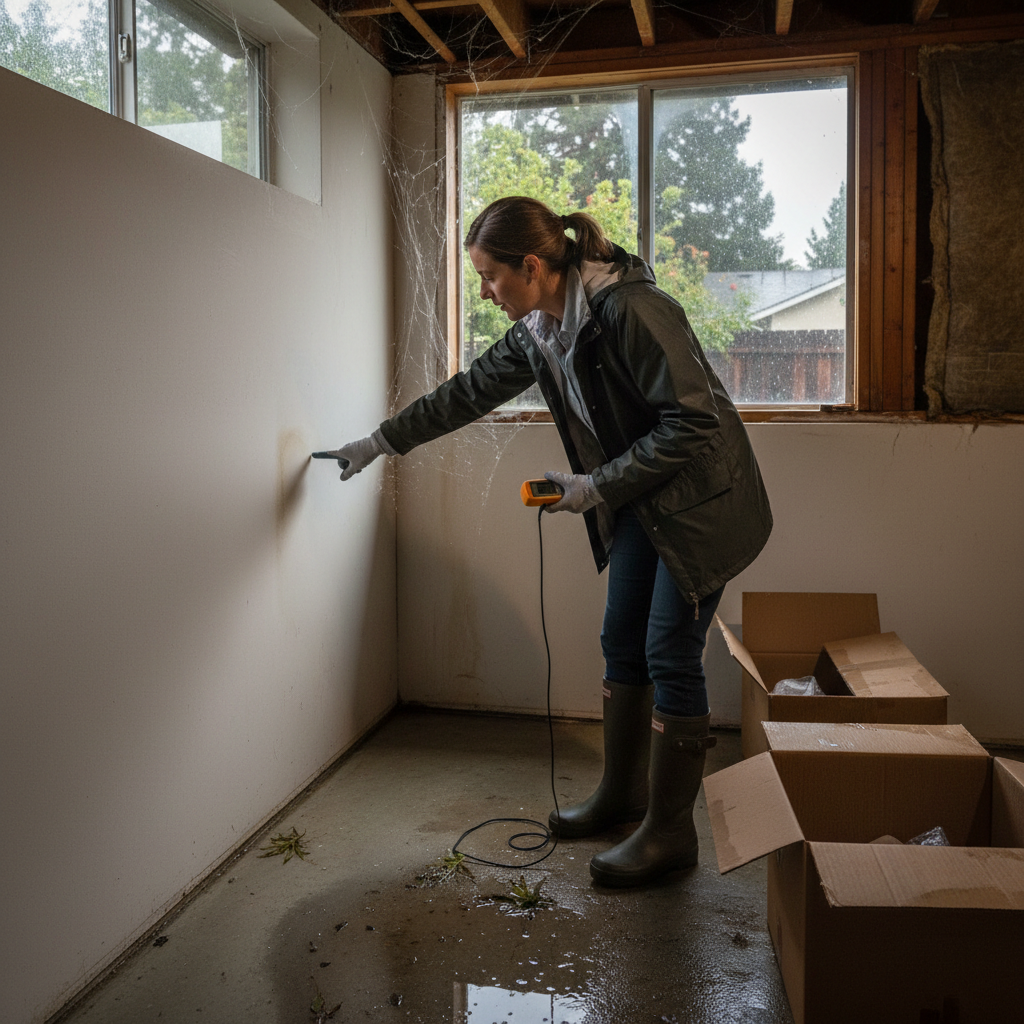
Fremont's diverse climate can lead to significant rainfalls, making it important to be vigilant about water damage in your home. After a heavy rain, it's critical to assess your property for signs of hidden water damage that could compromise your safety and home integrity.
Water damage often goes unnoticed until it leads to more serious issues, such as mold growth or structural damage. Here, we will explore how to identify potential water damage in your Fremont residence, especially after the downpours typical of our local climate.
Visual Inspection
Start with a thorough visual inspection of your home. Check for water stains on walls and ceilings, which can indicate leaks. Pay special attention to areas around windows, doors, and plumbing fixtures. If you notice peeling paint or bubbling wallpaper, this can also be a sign of excess moisture behind the surfaces. Additionally, look at your basement or crawl spaces, which are often susceptible to flooding due to their low elevation, especially after heavy rains from local weather patterns. Another crucial element is monitoring the exterior of your home for pooling water near the foundation, particularly in the areas around Coyote Hills Regional Park, where drainage issues might be exacerbated by topography.
Walking through your home, listen for any unusual sounds, like dripping or flowing water, which can help detect hidden leaks. If you suspect a leak, consider using a moisture meter to measure the moisture level in walls and floors, which should ideally be below 15%.
Common Problem Areas
Being aware of common problem areas is essential. In Fremont, where homes may be older, certain spots are more prone to water damage. Check these areas:
- Roofs: Look for missing shingles or damaged flashing that could lead to leaks.
- Attics: Inspect for dampness or mold, which can proliferate quickly if ventilation is inadequate.
- Basements: As mentioned, basements often collect water; look for cracks in the foundation or signs of humidity.
Keep an eye on your HVAC systems, as improper drainage can lead to excess moisture. If your units are sweating or you notice water pooling around them, you may need to schedule Emergency Water Extraction.
Taking Action
If you suspect that your Fremont home has water damage, it's vital to take immediate action. You may need to enlist professionals for a comprehensive Water Damage Assessment. They can identify areas that may not be immediately visible and help mitigate potential long-term issues. Major restoration steps may include:
- Drying: Using Structural Drying Services will help eliminate excess moisture.
- Mold remediation: Addressing mold issues is crucial. If left untreated, mold can lead to health issues and a damaged home.
- Repair: Repairing any damaged areas will ensure your home remains safe and structurally sound.
- Preventive measures: Consider installing gutters or a sump pump to redirect water away from your home during periods of heavy rain.
Recognizing the signs of hidden water damage early can be the difference between a minor repair and a major restoration project. With Fremont's unique climate considerations and diverse landscape, remaining vigilant and proactive can save time and money while protecting your family and property. David Mitchell and the team at Damage Restore Pro are committed to being a resource for you in maintaining a safe living environment where your family can thrive.
Need Water Damage Restoration in Fremont?
7134296997