
Water Damage Restoration Tips
Top Water Damage Restoration Tips for San Francisco's Historic Properties: Maintaining Charm While Ensuring Safety
Published 2026-09-03 · By David Mitchell, Damage Restore Pro
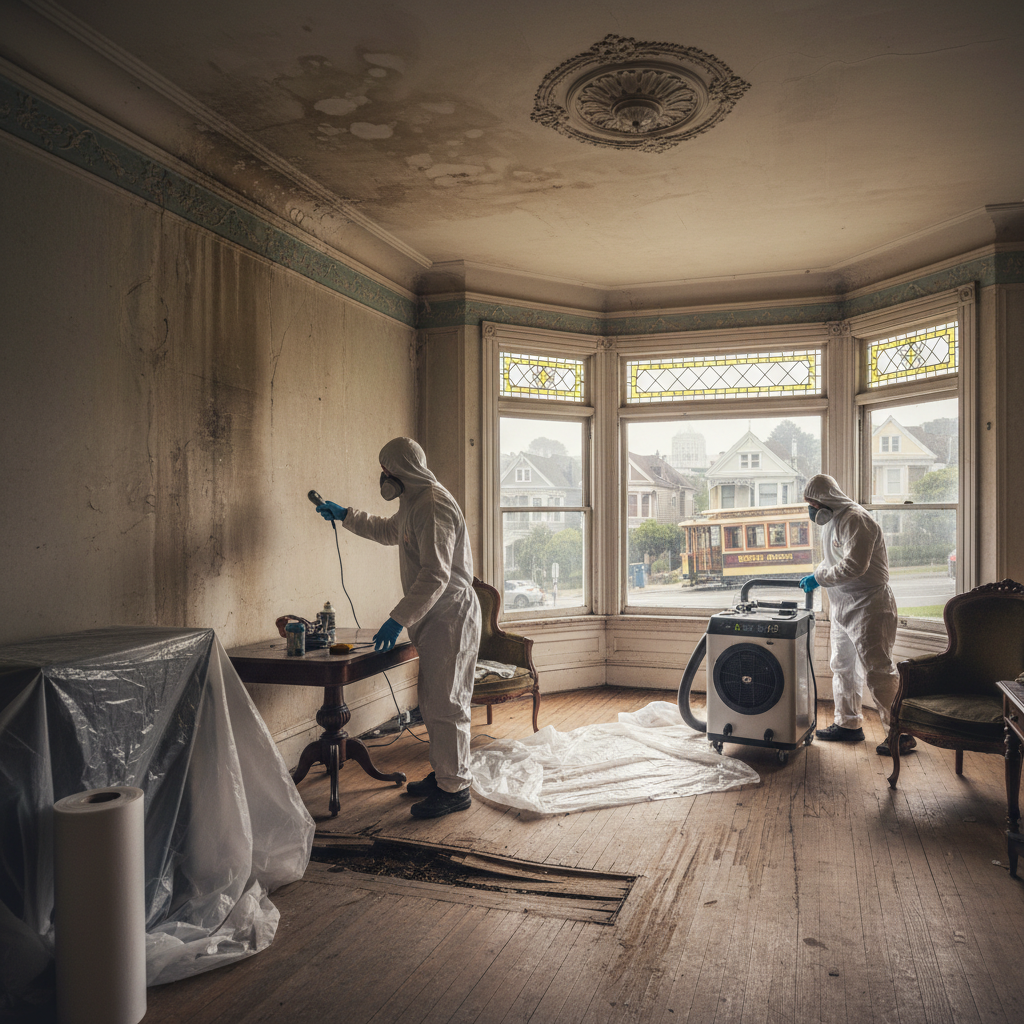
San Francisco is famed for its stunning historic properties, from the intricate Victorian houses of Alamo Square to the rustic charm of Fisherman’s Wharf. However, the city’s unique climate and occasional heavy rains can lead to water damage challenges that threaten these architectural gems. As a leading provider of water damage restoration services, Damage Restore Pro, under the expertise of owner David Mitchell, offers essential tips to help you navigate restoration while maintaining the character of your historic home.
Water damage can occur for various reasons, including plumbing failures, storm flooding, or even leaky roofs. Given San Francisco's cool-summer Mediterranean climate, it is especially important for homeowners to be proactive in preventing water damage, as the potential for mold and further structural issues increases with the dampness. Here are essential tips for effectively managing water damage restoration.
Regular Inspections and Maintenance
Conducting regular inspections is vital for the upkeep of your historic property. Look for areas where water might pool, such as near gutters or downspouts, and ensure any potential leaks are addressed immediately. Crevice sealing around windows and doors can also help minimize water infiltration. A small repair now can save you from costs as high as $2,000 later for more extensive water damage repairs. Don't forget to inspect internal plumbing; older systems may require upgrades to avoid leaks.
If you encounter severe water issues, don’t hesitate to contact experts for Emergency Water Extraction. Emergency services are crucial in the aftermath of significant flooding, preventing secondary damage.
Effective Drying Techniques
After a water incident, timely structural drying is essential. In historic homes, existing building materials can retain moisture, leading to mold growth if not dried properly. Use high-capacity dehumidifiers and fans to ensure moisture levels return to normal within 24-48 hours. In some cases, you may need to call in professionals to assist with this process, especially if the damage is extensive. Missing this step can lead to less visible problems, such as weakened wooden structures, which can pose safety hazards.
Utilize moisture meters to assess hidden water damage areas in your home. This technology allows for a thorough water damage assessment, essential for ensuring all damp areas are adequately dried.
Addressing Mold and Mildew
Once the drying process is completed, the next crucial step is tackling mold and mildew if it has formed. Given San Francisco's humid conditions, mold can be a serious issue post-water damage. Mold can begin to grow within just 24-48 hours after water intrusion; hence immediate attention is necessary. Enlist the help of professionals for Mold Remediation to ensure the problem is properly handled and to avoid potential health risks associated with mold exposure. Containing and removing mold effectively can be a critical part of your overall restoration process.
Using bleach or other home remedies might seem tempting, but these are often ineffective in completely eradicating mold spores. Instead, specialized techniques are the safest route to protect both your health and your property.
Need Water Damage Restoration in San Francisco?
7134296997