
Water Damage Restoration Tips
Restoration Tips for Plano Residents: What to Do Immediately After a Flood in Your Home
Published 2026-09-03 · By David Mitchell, Damage Restore Pro
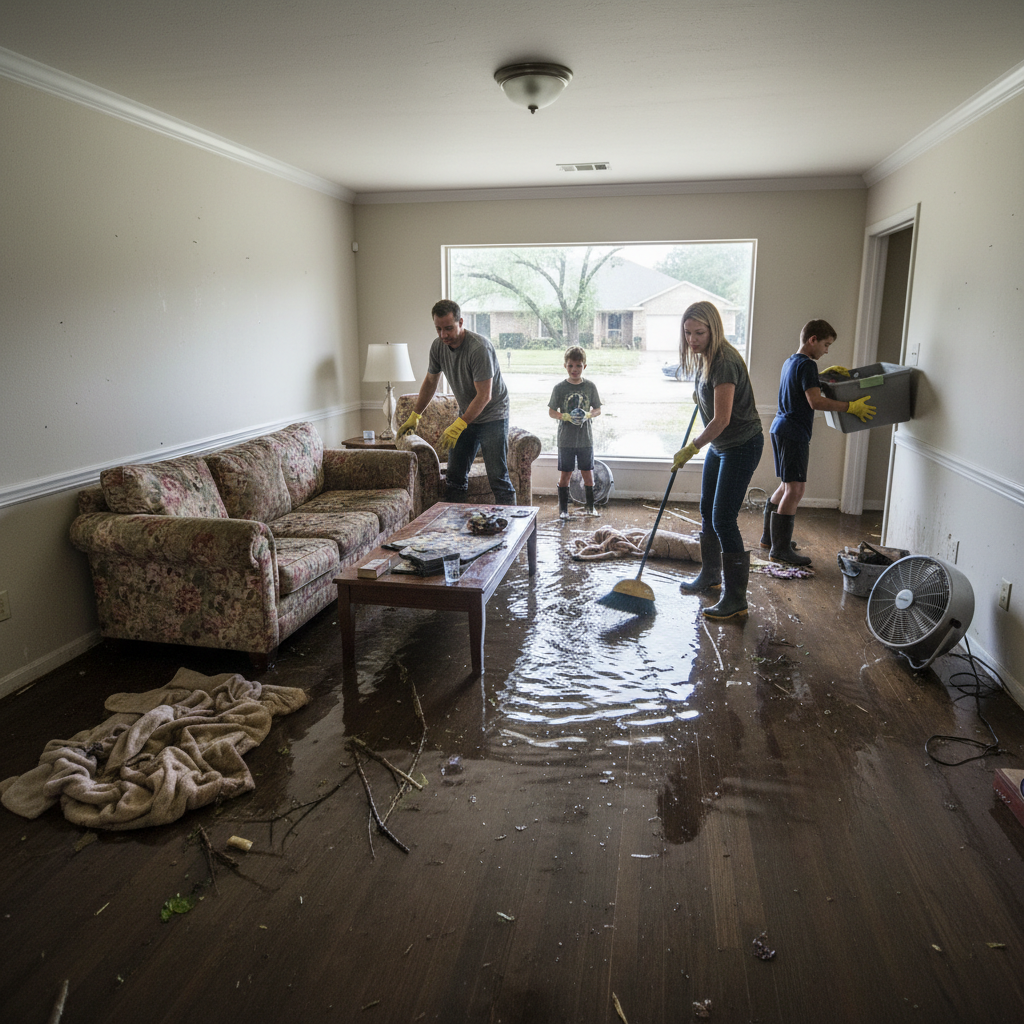
Living in Plano, known for its humid subtropical climate, can unfortunately mean being susceptible to flooding, especially during extreme weather events. When water intrudes into your home, it's crucial to act swiftly to minimize damage and ensure safety. Here are essential steps every Plano resident should take immediately after experiencing a flood.
First and foremost, ensure your safety and that of your family. If the floodwater is deep or moving rapidly, stay away from it. Once it's deemed safe to enter your home, remember to turn off the electricity to avoid electrocution. If you're uncertain about the water’s quality, do not enter until you consult local officials. For those dealing with flood damage, knowing what to do next is paramount.
Assess Damage and Document It
After ensuring it's safe, begin assessing the damage. Use your phone or camera to take pictures of affected areas and belongings. Documenting this will be crucial for insurance claims. In Plano, where many homes are family-oriented, you might find valuables and sentimental items at risk. If they are damaged, prioritize removing them to prevent further loss. Remember that for major damage, contacting professionals who specialize in Flood Damage Restoration is advisable to assist in the recovery process.
As you document, make an immediate plan for water removal. If the water is minimal, a wet/dry vacuum can be effective. For larger volumes, consider enlisting professional Water Extraction Services. Remember that items like rugs and carpets may be salvageable but can quickly become breeding grounds for mold if not dried out within 24-48 hours. The potential for mold growth is particularly concerning during Plano's humid summers.
Clean and Dry Your Home
Once the water is extracted, the next step involves cleaning and drying out your home. Remove any soaked materials like drywall, insulation, and carpeting that cannot be adequately dried. In Plano, local landmarks like the Arbor Hills Nature Preserve serve as reminders of nature's resilience; similarly, you want to restore your home. Use fans and dehumidifiers to aid in drying out your spaces, and if necessary, consider using a moisture meter to ensure that your walls and floors are properly dried.
It's essential to treat any contaminated areas right away. Floodwater can introduce sewage or other harmful contaminants into your home, making it critical to assess your need for Sewage Cleanup and Restoration. Maintaining a healthy home environment should always be a priority, and certain materials may need professional removal.
Prevent Future Damage with Professional Help
After managing the initial aftermath of flooding, consider long-term solutions to prevent future water damage. Professionals who specialize in Mold Remediation can help eliminate potential hazards from mold growth that might have developed during the drying process. Moreover, investing in appropriate drainage solutions and waterproofing measures can help shield your home from future floods, making your property resilient against Plano's unpredictable weather.
Flooding can lead to significant structural issues if not addressed properly. Engage with companies offering Structural Drying Services to evaluate your home’s integrity. These experts can assist in ensuring that your home remains safe and habitable following a flood event.
Lastly, don't overlook your insurance policies. Contact your insurance agent, or if you’re unsure about the coverage, reach out to a trusted professional for guidance. Here at Damage Restore Pro, under David Mitchell's guidance, we understand the intricacies of flood damage restoration in Plano and can help guide you through the claim process.
Need Water Damage Restoration in Plano?
7134296997